Article Summary: Your first year as a consultant solicitor isn’t about doing everything at once. The core things to prepare for are: a short adjustment period while invoicing and cash flow find their rhythm, a realistic (not overwhelming) approach to generating work, honing in on marketing activity that builds over time, and making sure you have a support network in place so consultancy doesn’t mean working in isolation. Most new consultants find it’s easier to manage than they expected, especially with the right support behind them.
Deciding that consultancy is right for you is a big decision, marking the start of an exciting new journey. However, it’s also important to think about what comes next.
It’s easy to picture consultancy as a long list of things to figure out all at once: how you’ll get paid, where your next piece of work is coming from, how to raise your own profile, how to avoid feeling isolated after years of office life. Laid out together, it can sound overwhelming. However, you rarely need to do everything all at once. For most consultants, it becomes second nature sooner than you expect.
This article is a realistic look at what your first year as a consultant actually involves. It’s structured around the handful of areas that matter most, each with its own more detailed article if you want to go deeper, so treat this as your starting point and your map for the rest of the journey rather than the full picture.
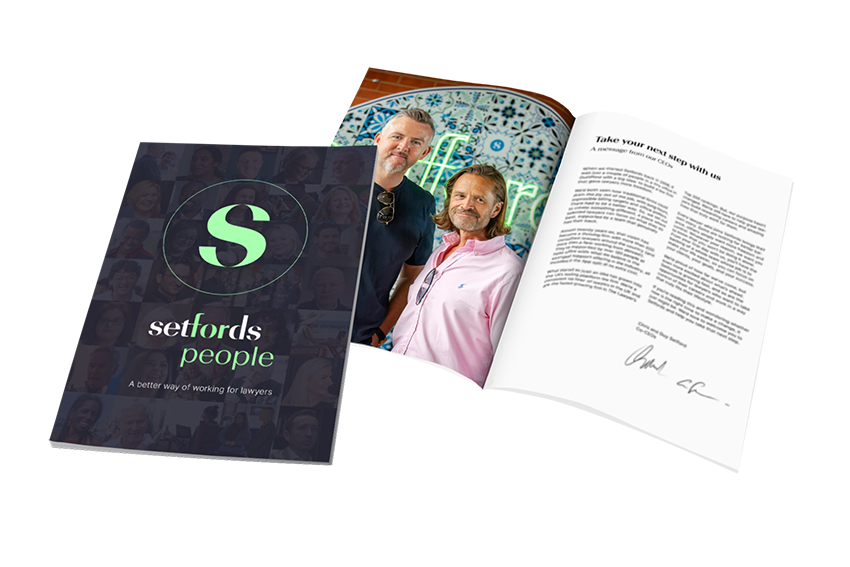
Planning to be a consultant? Download our guide
This comprehensive guide covers all the topics in this series, giving you the knowledge you need to develop your skills ahead of consultancy.
Or, click here to visit each article:
- Building Your Client Base as a Consultant Solicitor
- Finances as a Consultant Solicitor
- Marketing Yourself as a Consultant Solicitor
- Building Your Support Network
- Junior Lawyers: Preparing for Consultancy
An outline of your first year as as consultant solicitor
Everyone’s transition looks a little different depending on their practice area, client base, and personal circumstances, but most consultants follow a version of this pattern:
- The first few weeks: getting set up on systems, understanding how invoicing and support works, and reorienting around a new way of working. This stage is largely administrative and, with the right support around you, sets you up for the next year and beyond.
- The first few months: your first invoices go through and your pipeline of work starts to take shape with existing clients, new leads, or a mix of both. You also begin figuring out what marketing and business development actually look like for you day-to-day. This is often the period that feels least familiar, simply because so much is new at once, but the right support can give you confidence.
- The middle stretch: a rhythm starts to emerge. You get a clearer sense of your income pattern, which sources of work are the most reliable, and which marketing and business development strategies work the best for you.
- By the end of your first year: most of what felt unfamiliar at the start has become routine. Your income is more predictable, your network is thriving, and your practice is growing in the way that works for you.
Don’t panic! There’s no need to have everything figured out in month one. With planning, actionable strategies and support, consultancy becomes easier day by day.
Getting your finances in a good place
Thinking about how finances work as a consultant doesn’t need to be overwhelming. If you’re used to the predictability of a monthly salary, it’s a big change. But, with the right plans and advice, you can feel in control and look forward to a positive future.
A few things matter most in your first year:
- Understanding roughly what you’re likely to earn. Fee-share models mean your take-home scales with your billing, so it’s worth getting a clear picture of how that works before you move, rather than guessing at it once you’re in.
- Having a sensible financial buffer. Invoicing and payment cycles work differently as a consultant than as a salaried employee, so it’s worth planning for a settling-in period before income becomes fully predictable, rather than assuming day one looks like month six. What this means for you will vary depending on your outgoings and circumstances.
- Deciding how you’ll operate. Whether that’s as a sole trader or through a limited company, this is a structural decision worth making early, since it shapes how you handle tax, expenses, and pensions going forward. However, at Setfords, this isn’t set in stone, and you can decide to change your operating structure as your practice develops.
- Adjusting how you think about pensions and long-term planning. As a consultant, this becomes something you manage yourself rather than something that happens automatically through payroll.
None of these are decisions to make alone, and this is deliberately a general overview rather than financial advice, which we can’t provide. A good accountant or financial adviser earns their fee here, and it’s worth speaking to one early so you can move forward with all the knowledge you need.
Generating work: it’s less new than it feels
A lot of lawyers considering consultancy worry that they’ll need a huge existing client following, or a whole new business development skill set, to make it work. In reality, most lawyers are already doing more business development than they give themselves credit for. The relationships you’ve built over years of practice, the referrals that come their way without being asked for, and the reputation you’ve build with both clients and colleagues all count.
Your first year is about recognising what work you can bring with you and gradually building on it rather than trying to generate a full pipeline from a standing start. That might look like:
- Reconnecting with former clients and contacts who are might be able to follow you or refer work your way
- Understanding which parts of your existing network are an untapped source of introductions
- Getting comfortable with the idea that generating work is an ongoing habit, not a one-off task to complete before you start
- Leaning on the leads and support that come with the consultancy model itself, rather than assuming you’re starting entirely from scratch
Even if you’ve never had to find your own work before, there are straightforward, low-pressure ways to start building a pipeline, and it’s rarely as sink-or-swim as it first sounds.
Marketing yourself, without it feeling like a chore
Similarly, marketing yourself can sound like a daunting, ongoing project, particularly if it’s not something you’ve done before. However, it doesn’t have to be intimidating. Most consultants find that a handful of consistent, focused habits do more over a year than any big marketing push, and that not liking marketing in the traditional sense doesn’t rule consultancy out.
Some habits to look at building into your first year include:
- Staying visible and easy to find online, so people who already know you (or find you searching) can see what you do
- Keeping your profile and contact details current across the places clients and contacts are likely to look
- Staying in touch with your existing network in small, low-pressure ways, rather than treating every interaction as a pitch
- Being open to a local or community profile if that suits your practice area, alongside anything online
- Focusing on what works for you specifically, and not worrying about doing everything all at once
The aim in your first year isn’t to become a personal brand overnight, or to take on a second job in self-promotion. It’s to prioritise the few things that genuinely make a difference, building them steadily, and leaning on the marketing support available to you rather than treating it as something you have to figure out on your own.
Building your network and support
After years of office life with colleagues all around you, the shift to more independent working as a consultant can be one of the bigger adjustments of your first year. A strong first year includes making sure you’ve got people around you, both professionally and personally, so consultancy doesn’t tip into isolation. That might mean:
- Building relationships with other consultants who understand exactly what your first year looks like, because they’ve been through it themselves
- Staying connected to a wider professional community, whether that’s through events, informal catch-ups, or shared interests
- Making use of any dedicated wellbeing or community support available to you to help you build new connections
- Simply making sure you’ve got people to talk through the ups and downs of your first year with, rather than carrying it all solo
This is one of the areas where the people around you make the biggest difference. So, it’s worth being just as deliberate about building your support network as you are about building your client base to help you make the most of consultancy.
Junior lawyer?
If you’re a junior lawyer who’s thinking that consultancy could be a good move for you in a few years, starting to build these skills now will stand you in great stead for your next career move. The earlier you start, the longer you’ve got to develop them, so you can move into consultancy as prepared as possible.
Explore our full guide for junior lawyers considering consultancy here.
The bottom line
Your first year as a consultant solicitor is all about getting settled in and building confidence across a few key areas. While it may feel overwhelming at first, most consultants find it a smoother transition than they expected, especially with the right support behind them.
Ready for consultancy?
Get in touch for a confidential conversation about what it could look like for you.